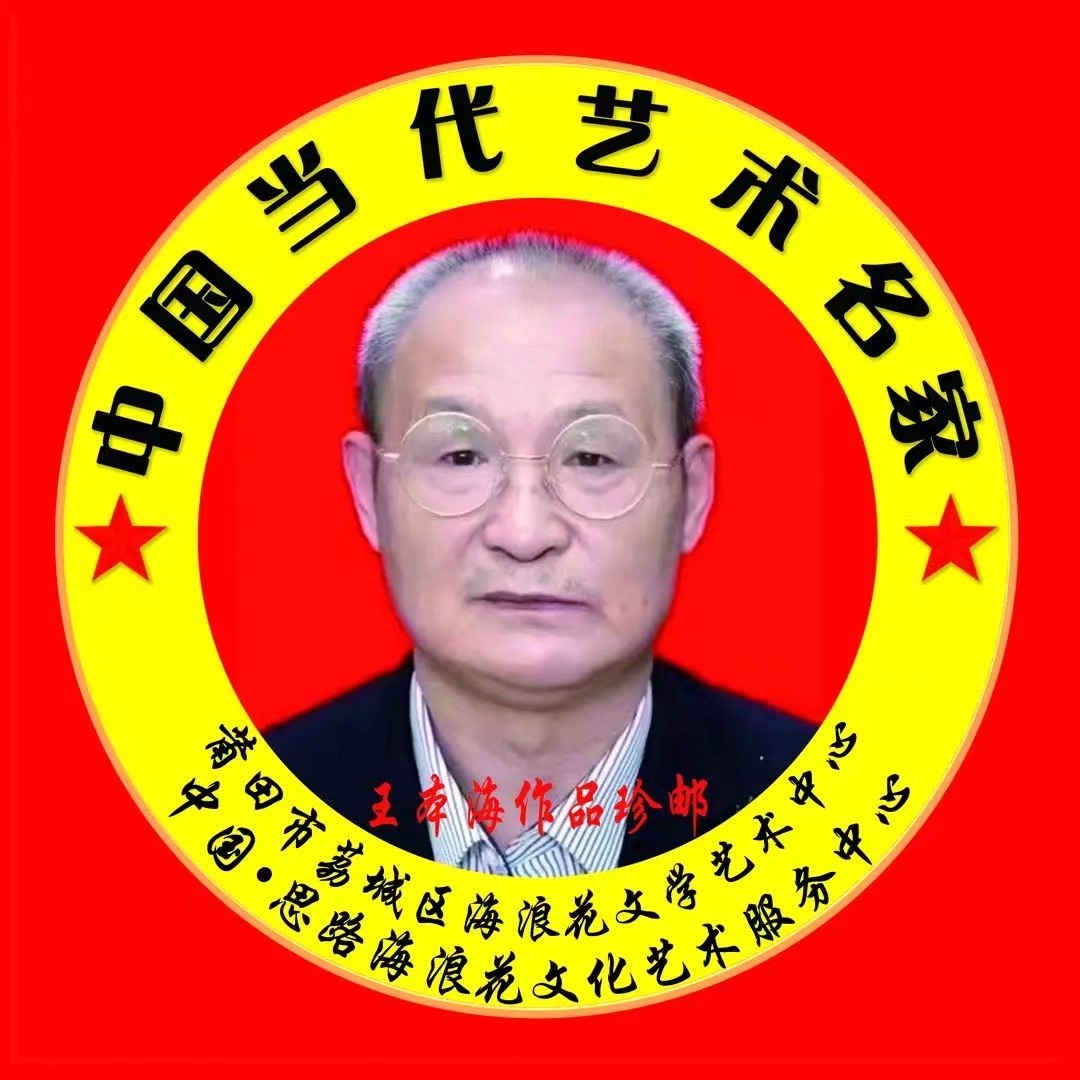
瑶台赋
王本海•著
莆阳腹地,荔城之东,黄石古镇,瑶台焕章。枕木兰之秀水,衔兴化之晴光,承千年之文脉,毓万象之新芳。昔名“窑兜”,窑火冲霄汉;今谓瑶台,仙踪寓祯祥。乡音谐雅韵,古意蕴绵长。
乾坤肇始,灵脉天成。地处兴化平原之核,木兰溪下游之滨。北承丘陵余韵,南接沃野平畴,暗合阴阳相济;东迎天马葱茏,西揽原畴旷远,自得龙虎回翔。巫咸古穴传青乌之术,凤翼舒张映吉壤之昌。河汉纵横通地脉,低丘星罗镇四方。朝晖沐阳刚之气,夕霞披阴柔之裳。四时循道,春生夏长,秋收冬藏,此乃瑶台根柢,造化启鸿祥。
五行配位,禀赋独彰:木主东,春回碧野,青秧叠浪,古木参阳,仁德敷荣泽;火主南,夏耀中天,窑焰焚宵,社火燃乡,礼明活力扬;土主中,长夏厚德,沃土涵珍,稻菽盈仓,信实载丰穰;金主西,秋成霜实,果垂枝素,盐晒银芒,义理立世纲;水主北,冬藏智渊,溪润千畴,泉泽百业,慧流滋运长。五行顺布,生生不息:木生火而文脉炽,火生土而民物康,土生金而祥瑞聚,金生水而灵源畅,水生木而华章续。五气调和,万物滋荣,此瑶台风水之盛,古村永耀昌。
溯其渊源,史脉绵长。宋熙宁间,林公从世,携资十万,继钱陂未竟之业,筑木兰治水之防。温泉口畔,“林坡”遗迹犹存;宗祠谱中,四百载瓜瓞延昌。九牧遗风,润乡化俗;水利精神,世代传扬。沟角石桥铭举人德泽,花岗古道贯市井繁昌。陈祠曾藏抗英铁炮,乡俗长存狮舞八音。昔时窑火参差,与夜月同明;旧日丝瓜盈架,清誉远扬。巫咸传说虽渺,灵地自恒祥。
非遗璀璨,薪火永扬。国家级“惠洋十音”,千年遗韵绕梁:四胡主律,尺胡协奏,八角琴鸣谐丝竹,老胡低语伴笛清。行奏若流云逐水,坐弹如渊渟岳峙。少儿传习廿载,八百弟子续雅声。省级“澄瀛高跷”,双木凌虚踏云:少年妆演西游,尽显儒门气节;“云端舞影”惊座,非遗新彩绽放。更有八音锣鼓,金漆木柜藏百年旧韵;云贝铜锣,彩伞标旗震元宵墟场。瑶台三宝,四百年味:扣肉丰腴、冬菇醇厚、鱼丸弹润,祠宴聚亲,美食载情。元宵盛景,龙狮竞舞:金鳞耀彩承清韵,南狮采青跃高桩;英歌豪气忆梁山,飘色凌空若仙翔;鳌鱼开阖兆吉瑞,八百族众巡古乡,五万观者醉春光。非遗一脉共传扬。
龙舟竞渡,威震莆阳。瑶台舟号“黑瑶台”,承明清黑旗遗风:舟首平齐藏抗倭旧事,舷分青蓝映水天霁光,红轮耀彩昭旭日气象,祥云缠舷兆福瑞绵长。敬二使公以安船,扬赤焰旗以破浪。鼓点独步南北,威名远播二洋。乙丑“丰收杯”初试锋芒,乙巳白塘湖再登魁榜。十月秋深,赛幕徐张,廿四劲旅逐波,数轮激战显刚。瑶台健儿聚志,赤衫如火,众心如磐;舵手掌坤,鼓手催航,桨影劈浪,吼声震苍。三百赛道疾如电掣,终以雷势拔得首筹,冠誉荣归,重奖膺彰。此非一时之胜,浩气贯穹苍。
今观其貌,盛景无双。三度“全国文明”,振兴步履铿锵。党建领航,党员垂范;民心共织,家园同创。河道砌石除淤浊,村道硬化达康庄。三千平广场纳健身之乐,实践站宣讲润民心之窗。千米长廊浮雕刻韵,三支志愿暖送田炕。红泉书院诵声琅琅,汉服映古柏,非遗融赤忱,少年立志报乡邦。四时景异:春赏花,夏采果,秋览胜,冬颐养,农旅融合兴百业;节俗情浓:写联对,制灯笼,裹香粽,评模范,古风新德共传扬。特产线上线下走出莆阳,生态青翠环绕画堂。广府庙会展非遗风采,标旗舞动亮京城路坊。龙舟新绩添乡彩,古村今颜映祥光,盛世和鸣奏乐章。
赞曰:瑶台福地,天设地藏。阴阳谐济,聚气纳祥。五行顺轨,物阜民康。昔秉治水肝胆,今传文明星芒。非遗凝魂,古韵流长;龙舟破浪,壮志翱翔。窑变瑶光,淀千秋底蕴;村兴盛世,展万里宏章。愿此水土,福祚永昌;愿我乡人,再铸辉煌!非遗之花常灿,文脉之河浩汤。阴阳合德,五行恒祥,龙舟逐梦,瑶台永世芳!
行香子•瑶台
莆水含章,荔野凝芳。
瑶台境、福蕴绵长。
丘横翠黛,溪绕平苍。
见窑烟古,龙舟疾,鼓声扬。
∥
非遗焕彩,晴光遍壤。
峻规和、俗美时康。
春耘夏获,秋实冬昌。
醉诗中画,画中韵,韵中祥。
乙巳年丁亥甲辰日王氏本海谨撰于瑶台
英文版《瑶台赋》
王本海•译著
Ode to Yaotai
Wang Benhai
In the heart of Puyang, east of Licheng, lies the ancient town of Huangshi, where Yaotai shines with splendor.
It rests by the graceful waters of Mulan, embraces the clear skies of Xinghua, inherits a thousand‑year cultural legacy, and nurtures the fresh vitality of all things.
Once called “Yaodou” for its kiln fires reaching the heavens, it is now known as Yaotai, a name that evokes divine blessings and fairyland charm.
Local dialects harmonize with elegant rhymes, while ancient wisdom casts a enduring legacy.
Since the dawn of creation, this land has been endowed with spiritual veins.
Situated at the core of the Xinghua Plain, on the banks of the lower Mulan River,
it inherits the lingering charm of northern hills and connects to the fertile southern fields, subtly reflecting the balance of yin and yang.
To the east, it greets the verdant Tianma Mountains; to the west, it overlooks the expansive plains, naturally forming a pattern where the dragon and tiger soar and circle.
Legends speak of Wu Xian’s ancient art of geomancy, while the phoenix’s wings stretch over this auspicious land.
Rivers and streams weave like veins through the earth, and low hills dot the landscape, guarding the four directions.
Morning sun bathes the land in yang vigor, while evening hues clothe it in yin softness.
The seasons follow their course: spring for growth, summer for flourishing, autumn for harvest, and winter for rest—
this is the foundation of Yaotai, where nature’s profound order begins.
The five elements align, each bestowing unique qualities:
Wood governs the east—spring returns to green fields, young rice sways in waves, ancient trees reach for the sun, and benevolence spreads its grace.
Fire governs the south—summer blazes in the sky, kiln flames light the night, communal fires ignite the village, and ritual illuminates vibrant energy.
Earth governs the center—late summer embodies deep virtue, fertile soil holds treasures, grains fill the granaries, and trust carries abundant harvests.
Metal governs the west—autumn brings frosted fruits, branches hang with pale gems, salt fields gleam like silver, and righteousness establishes order.
Water governs the north—winter stores profound wisdom, streams irrigate a thousand fields, springs nourish all trades, and insight flows to nurture lasting fortune.
The five elements flow in harmony, ceaselessly nurturing:
Wood feeds fire, igniting cultural vitality; fire feeds earth, enriching people and resources;
earth feeds metal, gathering auspicious signs; metal feeds water, refreshing spiritual sources;
water feeds wood, continuing glorious chapters.
The five energies blend, fostering all life—
this is the prosperity of Yaotai’s feng shui, where the ancient village eternally shines.
Tracing its origins, history runs deep.
During the Song Dynasty’s Xining era, Lord Lin Congshi brought vast resources to continue the unfinished work of Qianpi, building defenses to tame the Mulan River.
By the hot spring mouth, traces of “Linpo” remain; in clan records, four hundred years of lineage flourish.
The legacy of the Nine Mu Foresters nurtures local customs; the spirit of water management passes through generations.
The stone bridge at Goujiao honors the virtue of a distinguished scholar; the granite ancient road connects bustling markets.
The Chen Clan Ancestral Hall once stored cannons from the Opium War resistance; lion dances and eight‑note music remain vibrant traditions.
In the past, kiln fires flickered alongside the moon; melon vines laden with silk gourds earned distant renown.
Though tales of Wu Xian fade, this sacred land forever remains auspicious.
Intangible cultural heritage gleams, its flame passed onward.
The nationally recognized “Huiyang Ten Tones”—millennia‑old melodies linger:
The four‑string hu leads, the chi‑hu accompanies, the octagonal lute harmonizes with strings and bamboo, while the old hu murmurs with the flute’s clarity.
Playing while walking resembles flowing clouds chasing water; seated performance is like deep stillness amidst towering peaks.
Children have studied for two decades, eight hundred disciples continuing this elegant art.
Provincial‑level “Chengying Stilts”—twin wooden poles tread the clouds:
Youths enact Journey to the West, showcasing Confucian spirit; “cloud‑step dancing” astonishes audiences, revitalizing intangible heritage.
There is also the eight‑note percussion ensemble, its golden‑lacquer cabinet preserving centuries‑old tunes;
cloud‑shell gongs and drums, colorful umbrellas and banners shaking the Lantern Festival fairgrounds.
Yaotai’s three treasures, four hundred years of flavor:
braised pork rich and tender, mushrooms mellow and deep, fish balls springy and smooth—
ancestral hall feasts gather kin, cuisine carrying deep affection.
The Lantern Festival spectacle: dragons and lions dance—
golden scales glitter with classical grace, southern lions pluck greens from high poles;
heroic songs recall Liangshan’s valor, floating performers soar like immortals;
the opening‑closing carp heralds good fortune,
eight hundred clansfolk parade through the ancient village,
fifty thousand visitors陶醉 in spring’s radiance—
an unbroken heritage collectively passed down.
Dragon boat racing shakes Putian with might.
Yaotai’s boat, named “Black Yaotai,” inherits Ming‑Qing black‑banner traditions:
The flat bow hides tales of resisting Japanese pirates; blue‑green hulls mirror sky and water after rain;
red wheels shine with sunrise glory; auspicious clouds coil along the sides, promising lasting fortune.
Reverence for the Two Envoys stabilizes the boat; crimson flags wave to cleave the waves.
Drumbeats unique across northern and southern waters, its fame spreads through both river basins.
In 1985, the “Harvest Cup” first tested its edge; in 2025, Baitang Lake again crowned it champion.
Deep in the autumn tenth month, races unfold—twenty‑four teams vie upon the waves,
round after round of fierce combat showcasing strength.
Yaotai’s athletes unite in purpose, red shirts like fire, hearts solid as rock;
the helmsman steadies the course, the drummer urges speed, oars slash waves, roars shake the heavens.
Three hundred meters of course, swift as lightning—
finally, with thunderous force, it seizes first place,
glory returns, heavy rewards are bestowed.
This is no momentary victory—
it is the extension of ancestral courage, the soaring spirit of Yaotai.
Now observe its present form, a scene unmatched in splendor.
Thrice honored as a “National Civilized Village,” revitalization strides forward with resonant steps.
Party building guides the way, members set examples;
people’s hearts weave together, homeland co‑created.
Riverbanks stone‑lined to clear silt, village roads paved toward prosperity.
A three‑thousand‑square‑meter plaza hosts fitness joys,
the practice station preaches, moistening hearts’ windows.
A kilometer‑long corridor carved with reliefs and aphorisms,
three volunteer teams bring warmth to fields and hearths.
Hongquan Academy resounds with recitations—
Hanfu reflects ancient cypresses, intangible heritage blends with red devotion,
youths vow to serve their homeland.
Four seasons offer varied views:
spring flower viewing, summer fruit picking, autumn scenery admiring, winter health nurturing—
agriculture and tourism merge, thriving in all trades.
Festive customs abound: writing couplets, crafting lanterns, wrapping zongzi,
recognizing model citizens—ancient ethos and new virtue jointly celebrated.
Local products reach beyond Putian online and offline,
ecological greenery surrounds painted halls.
The Guangfu Temple Fair showcases intangible heritage,
banner teams dance, brightening Beijing Road’s lanes.
Dragon boat achievements add hometown glory,
ancient village and modern charm reflect auspicious light—
an era of harmony plays its symphony.
In praise:
Yaotai, blessed land, shaped by heaven, cherished by earth.
Yin and yang harmonize, gathering energy, drawing blessings.
The five elements align, goods abound, people thrive.
Once embracing flood‑control courage, now passing civilization’s torch.
Intangible heritage condenses soul, ancient charm flows long;
dragon boats cleave waves, ambitions soar high.
Kiln‑fired splendor settles millennia’s foundation;
village thriving in prosperous times unfolds a vast chapter.
May this land and water enjoy eternal fortune;
may our people achieve ever‑greater glory!
May intangible heritage’s flower ever bloom bright,
cultural veins’ river surge vast and strong.
Yin and yang unite in virtue, five elements constant in auspice,
dragon boats chase dreams—Yaotai forever fragrant!
Xing‑Xiang‑Zi · Yaotai
Putian’s waters hold grace, lychee fields condense fragrance.
Yaotai’s realm—fortune brews long.
Hills spread emerald‑green, streams wind through plains vast.
See kiln‑smoke ancient, dragon boats swift, drumbeats resounding.
Intangible heritage glows, bright light covers the soil.
Rules refined, customs fine, times prosperous.
Spring ploughing, summer tending, autumn harvest, winter thriving.
Drunk on painting within poetry, rhythm within painting, blessing within rhythm.
Written by Wang Benhai of the Wang Clan at Yaotai, on the Jia‑Chen day, Ding‑Hai month, Yi‑Si year.
瑶台赋:一卷铺展千年的莆阳文化长卷
文/木兰飞燕
当“瑶台”二字从笔端流淌而出,王本海先生以赋为媒,将莆阳大地上这座古村的千年风华凝于尺幅之间。全文铺陈如行云流水,既含“枕木兰之秀水,衔兴化之晴光”的典雅文辞,又藏“扣肉丰腴、鱼丸弹润”的市井烟火,通俗与雅致相得益彰,读来如临其境,宛如漫步于青石板铺就的古村巷道,满目皆是岁月沉淀的温润与生机。
赋作最妙在“形神兼备”。从地理形胜来看,作者以“阴阳相济”“龙虎回翔”勾勒瑶台的风水格局,北承丘陵、南接沃野的地理特征,搭配“河汉纵横通地脉,低丘星罗镇四方”的生动描绘,让读者仿佛能望见那片被山水环抱的灵秀土地。而五行配位的篇章更是神来之笔,将木之青秧、火之窑焰、土之稻菽、金之果霜、水之溪润与方位、时节、人文巧妙融合,既符合传统五行文化的内涵,又鲜活呈现了瑶台四季分明的农耕图景与民俗风情,让抽象的文化概念变得可感可触。
历史文脉的追溯则为古村注入了灵魂。宋时林公筑陂治水的功绩、九牧林家的遗风、抗英铁炮的传奇、窑火通明的旧事,这些散落于时光中的碎片,经作者串联成线,清晰展现了瑶台从“窑兜”到“瑶台”的变迁轨迹。文中对非遗文化的描摹尤为动人,“惠洋十音”的丝竹之韵、“澄瀛高跷”的云端舞姿,再到元宵龙狮竞舞、宗祠宴饮的美食香气,声色味俱全,将非物质文化遗产的活态传承刻画得淋漓尽致,让读者感受到传统文化在当代的蓬勃生命力。
当代瑶台的盛景更是令人瞩目。“全国文明村”的殊荣、硬化的村道、健身的广场、琅琅书声的红泉书院,这些现代元素与古村古韵和谐共生,展现了乡村振兴的丰硕成果。而龙舟竞渡的段落笔力遒劲,“赤衫如火,众心如磐”“桨影劈浪,吼声震苍”的描写,将瑶台健儿的豪情壮志与团结精神跃然纸上,既是对传统民俗的礼赞,也是对新时代乡村精气神的生动诠释。
文末的《行香子》词与赞语,更是画龙点睛之笔。“窑烟古,龙舟疾,鼓声扬”“诗中画,画中韵,韵中祥”,寥寥数语浓缩了瑶台的核心意象,与赋文互为表里,余韵悠长。整篇赋作以文言为骨,以白话为肌,既遵循赋体的铺陈章法,又融入通俗化的表达,让不同文化背景的读者都能领略瑶台的魅力。它不仅是对一座古村的深情礼赞,更是对中华传统文化生命力的有力彰显——瑶台之美,在于山水形胜,在于历史积淀,更在于代代相传的文脉与民心。
Ode to Yaotai: A Millennium Scroll of Puyang's Culture
By Mulan Feiyan
When the name "Yaotai" flows from the tip of the brush, Wang Benhai weaves the millennium-old elegance of this ancient village on the Puyang land into a literary masterpiece through the form of fu. The entire text unfolds like flowing clouds and gurgling water, blending elegant expressions such as "nestling against the beautiful waters of the Mulan River and embracing the clear light of Xinghua" with the earthly charm of "plump braised pork and chewy fish balls". Popularity and refinement complement each other perfectly, making readers feel as if they are wandering along the bluestone lanes of the ancient village, surrounded by the warm tenderness and vitality precipitated by years.
The most exquisite part of the fu lies in its "unity of form and spirit". In terms of geographical features, the author outlines Yaotai's feng shui pattern with "harmony between yin and yang" and "the soaring of dragons and tigers". The geographical characteristics of leaning against hills in the north and connecting to fertile plains in the south, coupled with the vivid description of "crisscrossing rivers connecting the earth's veins and scattered low hills guarding the four directions", allow readers to visualize this beautiful land embraced by mountains and rivers. The chapter on the five elements (wood, fire, earth, metal, water) matching the directions is a stroke of genius. It skillfully integrates the green seedlings of wood, the kiln flames of fire, the rice grains of earth, the frosted fruits of metal, and the stream moisture of water with directions, seasons, and humanistic customs. It not only conforms to the connotation of traditional five-element culture but also vividly presents Yaotai's distinct agricultural scenes and folk customs throughout the seasons, making abstract cultural concepts tangible and perceptible.
The tracing of historical context endows the ancient village with a soul. During the Xining period of the Song Dynasty, Lord Lin Congshi, with 100,000 taels of silver, continued the unfinished project of Qianbei Weir and built water control embankments along the Mulan River. The remains of "Linpo" still exist by the Wenquan Estuary, and the clan has thrived for 400 years as recorded in the ancestral hall genealogy. The legacy of the Nine Pastures林家 nourishes the village customs, and the spirit of water conservancy has been passed down from generation to generation. The Goujiao Stone Bridge inscribes the kindness of the Juren (successful candidate in the provincial examination), and the granite ancient road runs through the prosperous market. The Chen Ancestral Hall once collected iron cannons used to resist British aggression, and the folk custom of lion dance and eight-tone music has been preserved. In the past, the scattered kiln fires shone as brightly as the night moon, and the loofahs climbing the shelves brought the village widespread praise. Although the legend of Wu Xian is vague, this spiritual land has always been auspicious.
The intangible cultural heritage (ICH) is brilliant and passed down vividly. The national-level "Huiyang Ten-Tone Music" retains the millennium-old melody that lingers around the beams: the sihu (four-stringed hu) leads the melody, the chihu (foot-length hu) accompanies, the octagonal qin resonates with the silk and bamboo instruments, and the old hu whispers in harmony with the clear flute. The walking performance is like flowing clouds chasing water, while the sitting performance is as stable as mountains and calm as abysses. For 20 years, children have been learning this art, with 800 disciples continuing the elegant melody. The provincial-level "Chengying Stilt Walking" involves walking on two wooden stilts as if stepping on clouds: teenagers dress up as characters from Journey to the West, showing the integrity of Confucianism; their "dancing shadows in the clouds" astonish the audience, displaying new charms of ICH. Additionally, there are eight-tone gongs and drums, with century-old melodies hidden in golden-painted wooden cabinets; cloud shell gongs and colored umbrellas with standard flags resound through the Lantern Festival market. The "Three Treasures of Yaotai" have a 400-year history of taste: plump braised pork, rich shiitake mushrooms, and chewy fish balls. Family members gather at ancestral hall banquets, and delicious food carries deep affection. The Lantern Festival is a grand scene with dragon and lion dances: golden-scaled dragons shine with pure charm, southern lions leap over high stakes to "pick green"; Yingge dance shows the heroism of the Liangshan heroes, and the floating colors seem to soar like immortals; the opening and closing of the giant ao fish (mythical sea creature) augurs good fortune, with 800 clansmen parading through the ancient village and 50,000 spectators indulging in the spring scenery. The ICH heritage is jointly inherited and carried forward.
The dragon boat race shakes Puyang. Yaotai's dragon boat, named "Black Yaotai", inherits the legacy of the black flag from the Ming and Qing dynasties: the flat bow hides the past of resisting Japanese pirates, the hull divided into blue and green reflects the clear sky and water, the red wheel shines brightly like the rising sun, and the auspicious clouds winding around the hull symbolize lasting blessings. They worship the Second Envoy to stabilize the boat and raise the red flame flag to break the waves. Their drumbeats are unparalleled in the north and south, and their reputation spreads far and wide. They first showed their talents in the "Harvest Cup" in the Yichou year and won the championship again at the Baitang Lake in the Yisi year. In the late autumn of October, the race begins, with 24 powerful teams competing on the waves and several rounds of fierce battles showing their courage. The athletes of Yaotai unite with determination, wearing red shirts like fire and their hearts as firm as rocks; the helmsman controls the direction, the drummer urges the boat forward, the oars split the waves, and the roars shake the sky. They race along the 300-meter track like lightning, finally winning the championship with overwhelming momentum and returning with honors and awards. This is not a temporary victory but a noble spirit that penetrates the sky.
Today, Yaotai presents an unparalleled prosperous scene. Having won the title of "National Civilized Village" three times, it strides forward vigorously in rural revitalization. Guided by Party building, Party members set an example; the people work together to build their hometown. Rivers are lined with stones to remove silt, and village roads are paved to lead to prosperity. The 3,000-square-meter square accommodates fitness activities, and the practice station disseminates knowledge to nourish the people's hearts. The 1,000-meter corridor is adorned with relief carvings depicting rhymes, and three volunteer teams bring warmth to the fields and cottages. The Hongquan Academy echoes with the sound of reading, where Hanfu-clad teenagers stand beside ancient cypresses, integrating ICH with sincere feelings and aspiring to repay their hometown. The scenery changes with the seasons: enjoying flowers in spring, picking fruits in summer, sightseeing in autumn, and recuperating in winter, with agriculture and tourism integrated to boost various industries; folk customs are rich and profound: writing couplets, making lanterns, wrapping rice dumplings, and commending models, with ancient customs and new virtues jointly passed down. Local specialties are sold online and offline beyond Puyang, and the ecological greenery surrounds the village like a painting. The Guangfu Temple Fair showcases the charm of ICH, and the standard flags dance brightly on the streets of Beijing. The new achievements of dragon boat races add glory to the village, and the ancient village's modern appearance reflects auspicious light, playing a movement of harmony in the prosperous age.
In praise: Yaotai is a blessed land, endowed by heaven and earth. Yin and yang are in harmony, gathering qi and embracing auspiciousness. The five elements follow their paths, and people live in prosperity. In the past, it upheld the courage of water control; today, it inherits the light of civilization. ICH condenses the soul, and ancient charm endures; dragon boats break the waves, and lofty aspirations soar. The kilns have transformed into jade-like light, accumulating thousands of years of heritage; the village thrives in the prosperous age, unfolding a magnificent chapter of thousands of miles. May this land enjoy eternal blessings; may our villagers create greater glory! The flower of ICH blooms forever, and the river of cultural context flows endlessly. Yin and yang unite in virtue, the five elements remain auspicious, dragon boats chase dreams, and Yaotai flourishes forever!
Xingxiangzi·Yaotai
The Puyang River contains literary grace,
The lychee fields condense fragrance.
Yaotai's scenery—blessings endure long.
Hills lie like green eyebrows,
Rivers wind through the plain.
Behold the ancient kiln smoke, the swift dragon boats,
The drums resounding loud.
∥
ICH shines brightly, clear light covers the land,
With strict rules and harmony—customs are beautiful, times are peaceful.
Plowing in spring, harvesting in summer,
Fruits in autumn, prosperity in winter.
Drunk in the poem-like painting, the charm in the painting,
The auspiciousness in the charm.
Composed by Wang Benhai on the Jiachen day of the Dinghai month in the Yisi year at Yaotai
王本海人物介绍
王本海,字木心,号一合,笔名思路、河边柳、马平、云鹤寿松、星空明月等,1965年2月出生于重庆市开州区五通乡浦里河畔寨家村研盘湾,是集诗人、音乐创作人、作家、文化学者于一身的跨界文化从业者,拥有教授级高级工程师职称,长期深耕文学、音乐、文化传播与非遗传承领域,以“工科严谨+人文浪漫”的独特风格,成为新时代文化传承与创新的标杆人物。
一、基本信息
姓名:王本海
字/号:字木心,号一合
笔名:思路、河边柳、马平、云鹤寿松、星空明月
民族:汉族
出生年月:1965年2月
籍贯:重庆市开州区五通乡浦里河畔寨家村研盘湾
职业:诗人、音乐创作人、作家、文化学者
职称:教授级高级工程师
核心特质:融合工科思维与人文情怀,擅长以传统文体书写时代主题,推动文化跨界传播
二、教育与职业背景
教育经历:大学文化背景,获渭南市电工职业资格证书,兼具工科精准思维与人文创作素养,为其跨界文化实践奠定双重学术基础。
职业方向:早年涉足工程技术领域,后聚焦文化创作与传播,深耕辞赋、诗词、歌词、散文等多元文体,同时主导文化活动策划与非遗传承项目,实现从“工程图纸”到“文化篇章”的跨界转型。
三、社会职务
1. 国际作家和作曲家协会联合会会员
2. 中国音乐著作权协会会员
3. 中华诗词学会会员
4. 贵州省诗词楹联学会会员
5. 中央新影发现之旅频道《文化强国》栏目组首批特聘高级智库专家(教授级高工)
6. 全国第一批非物质文化遗产创新人才
7. 中国·思路海浪花文化艺术服务中心总策划/总编
8. 福建省莆田市荔城区海浪花文学艺术中心法人代表
四、主要成就与作品
(一)文学创作:以传统文体载时代新声
王本海在文学领域以“守正创新”为核心,尤其擅长赋体、诗词、楹联创作,独创“四维文化透视”模型(地理形胜—历史溯源—红色基因—当代图景),作品兼具古典风骨与现代气息。
1. 赋体文学:代表作《百城百赋百诗》系列,涵盖《开州赋》《重庆赋》《遵义赋》《延安赋》《井冈山赋》《中华赋》《人民日报赋》《新华社赋》《法治晨报赋》等。其中,《人民日报赋》《新华社赋》以骈俪之笔勾勒主流媒体的使命担当,《法治晨报赋》以“笔化龙泉之锷,纸成獬豸之裳”喻法治媒体锋芒,均发表于《人民日报市场网络版》城市新闻等权威平台,成为“以赋载道”的典范,评论家评论“一篇襄阳赋,半部中国史”。
2. 诗词创作:作品入选《新中国建国六十周年中华诗词诗书画精品典藏卷》,获“功勋诗人”称号;2022年在《法治晨报》发表《七律·醉美故乡》《七律·观刘伯承铜像有感》《沁园春·八一节寄怀》《贺院线电影〈微山湖小八路〉拍摄圆满成功》等;2025年创作《满江红·九三阅兵》,前瞻性书写抗战胜利80周年阅兵盛况,获专业评论界高度认可;其七律《咏人民日报》《咏新华社》凝练媒体风骨,成为传统诗词现代转化的样本。
3. 楹联与散文:2025年建党节期间,遵义市诗词楹联协会为其对联作品推出专题版面;有声作品:散文《美丽乡村五通》、《故乡的炊烟》、诗词作品《赞普阳律师事务所及陈震、陈韩钦律师》、《贺遵义市红花岗区协会成功开通中华诗词子网站》、英文版《沁园春.赞刘新星》创作背景简介、《王本海题刘伯承元帅故居楹联鉴赏》、演讲稿《榜样之光--王本海为我们照亮逐梦征程》、人物对话《在铁轨与诗行间筑造文化桥梁--跨界大师王本海的创作人生》在燕赵有约官方通过QQ音乐、酷狗音乐、酷我音乐等多平台发布,著有地方传奇故事《鲤鱼劫——血色山河中的一尾神话》。
4. 学术编著:编著《巴渝王氏160字辈诗库暨巴渝王氏世系图》,以“诗文活化族谱”的创新形式,为家族文化与非遗传承提供实践方案、《研盘湾五行镇源记--木宅开基,石寨传脉,本辈承宗》、《歌曲创作黄金法则教案--写一首让大众共情传唱的“好歌”》。
(二)音乐创作:以旋律传递文化温度
作为高产音乐创作人,王本海累计创作原创歌曲200余首,坚持“歌词为魂、旋律为翼”,作品覆盖家国情怀、地域文化、榜样精神等主题,兼具传播度与思想性。
1. 代表作品:《祖国的霞光》(激昂抒发爱国情怀,成讴歌时代经典)、《这面旗帜》《穿过月亮的旅行》(呼应同名电影,以浪漫曲风编织情感梦境)、《雄奇山水·新韵重庆》(展现地域风光)、《非遗中国》(助力非遗传播)、《岳中之歌》《红岩朝露》(校园红歌)、《缅怀刘伯承元帅》《您从黄葛古道走来》(红色主题)今歌之约 (总第一百三十三期 · 天津市音乐文学学会 主办)刊发、《研盘湾之歌》(家乡情怀)、《初心灿若霞》(聚焦公益榜样,从“帮老人擦霜”“给孩子递书”等小事切入,让榜样精神可感可学)、《思路海浪花文艺之歌》(凝聚文艺群体理想)。
2. 传播与荣誉:作品由贺筠筠等知名歌唱家演绎,入库全国KTV,登陆QQ音乐、网易云音乐等主流平台;获中国大众音乐协会“金奖”、“永远跟党走·献礼二十大”原创歌曲金奖等国家级奖项。
(三)文化传播与实践:搭建传承与创新桥梁
王本海以“文化使者”身份,推动文化落地与跨界融合,主导多项具有社会影响力的文化活动。
1. 红色文化传承:2023年春节前夕,牵头联合全国知名钢笔画家张根和、开州书法家谭周文、贺启财(野神)、田小波等,向刘伯承同志故居捐赠11幅书画作品;主导“纪念刘伯承元帅诞辰130周年诗词书画征文征集活动”,吸引全国创作者参与,收到2000余首诗词、11幅书画作品,经评审后多平台推广,推动红色文化与艺术创作深度融合。
2. 跨界实践:2023年参演电影《穿过月亮的旅行》(饰演“专注读报的乘客”),拍摄结束后深夜3点结合片场感悟创作同名歌曲,实现“影视表演—音乐创作”无缝衔接;其作品及事迹获央视、中国教育电视台、《法治晨报》《城市新闻》等主流媒体报道,2022年8月30日《法治晨报》以整版篇幅报道其诗歌创作成就。
3. 非遗与智库工作:作为全国第一批非物质文化遗产创新人才,探索非遗现代转化路径;担任《文化强国》栏目特聘高级智库专家,为文化建设提供专业建议;主导思路海浪花文化艺术服务中心工作,策划多项文化活动,推动“文艺服务大众”理念落地。
五、荣誉奖项
1. 1999-2009年度:国际中华诗歌总会“一级作家”
2. 2010年:英国皇家艺术基金会永久学术顾问
3. 2019年:中国世纪大采风“德艺双馨艺术家”
4. 2019-2024年:遵义市红花岗区“优秀文艺工作者”
5. 2022年:“永远跟党走·献礼二十大”原创歌曲金奖
6. 2022年:“《大国·大家》优选工程杰出艺术家优选人才奖”
六、艺术特色与评价
(一)艺术特色
1. 文体创新:融合骈偶句式与时空对话,独创“赋体叙事诗”,打破传统赋体“辞藻堆砌”局限,让古典文体承载现代主题。
2. 主题挖掘:深度绑定地域文化与红色基因,擅长从“小场景”写“大主题”(如以“街灯”“递书”等细节传递时代精神),避免口号式表达。
3. 跨界融合:贯通文学、音乐、影视、非遗研究,形成“新古典主义”风格,实现“工科精准架构+人文情感表达”的独特统一。
(二)外界评价
1. 《文化强国》栏目组:“以赋载道,以歌咏志,其作兼具汉赋的鸿篇气象与现代文艺的传播力。”
2. 专业评论界:“词凝日月,曲动山河”,其个人经历体现“立本为基,汇海成澜”的文化追求,作品本质是“新时代的《山河社稷图》”,以地理为载体、历史为脉络、赋体为形式,完成中华文明基因的解码与现代化转译,在当代文学中具有不可替代性。
七、参考资料
1. 《法治晨报》2022年8月30日专题报道、2025年9月3日相关作品报道
2. 《人民日报市场网络版》城市新闻2025年9月3日人物及作品报道(含《人民日报赋》《新华社赋》等)
3. 贵州省诗词楹联学会《贵州诗联》《黔诗红韵》发表记录
4. 陕西省诗词学会官方网站发表记录
5. 中央新影《文化强国》栏目组专家库名录
6. 中国音乐著作权协会会员名录
7. 中国·思路海浪花文化艺术中心公众号及莆田市海浪花文艺官网
8.遵义市红花岗区作协红城诗韵、红城联墨、巷口诗韵等公众号
9. 城市头条、网易新闻、VV音乐、今日头条及主流音乐平台作品收录与传播数据
10. 相关荣誉奖项官方公告及证书
王本海人物简历.原载《人民日报市场网络版》城市新闻2025年9月3日http://www.peoplezixun.cn/renwen/2025/0903/31242.html 王本海人物简介《人民日报市场网络版》城市新闻