沁园春·颂伟人
中文原文
作者:王本海
万古昆仑,怒卷沧溟,立极昊苍。
看韶峰旭起,光披八表,湘流雷动,势撼遐荒。
星火燎原,红旗裂夜,敢掷乾坤换典章。
长风啸,纵千关如铁,踏碎冰霜。
峥嵘岁月昂藏。
引九域、工农共举纲。
看亚欧枭杰,徒矜兵甲,美英豪俊,未解民殇。
缨握长天,心连黔首,重整山河辟大康。
擎遗炬,照苍生正道,再拓洪荒。
English Translation
By Wang Benhai
Eternal Kunlun stands, tempests roll o'er the vast sea,
Upholding the azure vault on high.
Behold Shaofeng's dawn breaking, its radiance spanning the eight poles;
The Xiang River thunders, its momentum shaking the distant wilderness.
A single spark ignites a prairie fire, the red flag splits the night,
Daring to cast heaven and earth anew, rewriting the ancient codes.
The strong wind howls—though a thousand passes stand like iron,
We trample the frost and ice beneath our feet.
Glorious years stand tall and proud,
Guiding the nine realms—workers and peasants unite to uphold the common cause.
Behold the heroes of Asia and Europe, vaunting only their weapons and armor;
The elites of America and Britain, never fathoming the people's sorrow.
Holding the tasseled spear to the sky, heart linked to the common folk,
We rebuild the rivers and mountains, forging a great era of prosperity.
Raising the torch passed down, illuminating the right path for all living beings,
We blaze new trails in the primeval wilderness once more.
铿锵赋伟力·雅韵颂千秋
——评王本海《沁园春·颂伟人》
中文原文
评论员/辛明
读王本海先生《沁园春·颂伟人》,如立昆仑之巅纵观山河奔涌,若临历史长河静听时代涛声。全词恪守词林正韵,以典正之语铸雄浑之境,于平仄铿锵中传不朽精神,融格律之精严与气象之恢弘于一体,堪称当代词坛礼赞伟人题材的力作。
词作起笔即见天地胸怀,“万古昆仑,怒卷沧溟,立极昊苍”三句,借自然之永恒与浩瀚,隐喻伟人精神矗立于历史时空的崇高坐标。“韶峰旭起,光披八表;湘流雷动,势撼遐荒”二联,对仗工稳而气脉流动,“旭起”蕴生机,“雷动”蓄变革之势,“八表”“遐荒”由近及远展开一幅觉醒时代的画卷。上片结于“长风啸,纵千关如铁,踏碎冰霜”,以极具动感的意象收束,将个人奋斗置于时代裂变的宏大背景中,突显破旧立新的决绝与勇毅。
下片由历史进程转入精神格局的观照。“亚欧枭杰,徒矜兵甲;美英豪俊,未解民殇”四句,以横向对比烘托伟人“心连黔首”的民本情怀与世界眼光,在评点古今中外升华词旨。“缨握长天”显其魄力,“重整山河”彰其功业,“辟大康”则寄托对民生安康的深切追求。结句“擎遗炬,照苍生正道,再拓洪荒”,以“遗炬”喻精神传承,以“正道”明方向之坚定,以“再拓洪荒”寄寓在新时代继续开拓的壮怀,收束全篇而余响不绝。
此词最可贵者,在于格局开阔、史论相融。它不局限于一时一事的咏叹,而是将人物置于中华民族历史转折与人类文明进程的双重坐标中予以审视。语言上亦古亦今,既承续了“红旗裂夜”“敢掷乾坤”的豪放词风,又融入“心连黔首”“苍生正道”的现代人文关怀,在古典形式中注入了鲜明的时代精神与人民情感。
全词气韵贯通,谋篇严谨,情感深沉而昂扬,体现了作者对历史的深刻理解、对词艺的娴熟驾驭,以及对伟人精神从个体功业到永恒价值的整体把握。它不仅是深情的礼赞,更是精神的传承;不仅是对过去的回望,亦是对未来的昭示。词如其人,重庆山水雄峻之气、巴渝文化坚韧之魄,亦隐约可见于字里行间,为作品增添了独特的地域风貌与文化厚度。
真正的格局,在于穿越时间的长河而精神不灭,在于立足民族的土壤而胸怀天下。王本海先生此词,正以这样的格局,完成了一次跨越时空的对话,也为我们如何在新时代以古典文学形式抒写重大主题,提供了颇具启示意义的典范文本。
English Translation
By Xin Ming
Reading Mr. Wang Benhai's Qinyuanchun · Ode to the Great Man is like standing atop Kunlun Mountain, watching rivers surge across the land, or lingering by the river of history, listening to the waves of the times. Adhering strictly to the traditional poetic meters and rhymes of Chinese ci poetry, the work crafts a magnificent realm with refined language, conveys an immortal spirit through its rhythmic cadence, and integrates rigorous metrical precision with grand momentum—truly a masterpiece of contemporary ci poetry eulogizing the great man.
The poem opens with a cosmic vision: "Eternal Kunlun stands, tempests roll o'er the vast sea, Upholding the azure vault on high." Through the eternity and vastness of nature, it metaphorically places the great man's spirit at a lofty position in the space-time of history. The two parallel couplets—"Behold Shaofeng's dawn breaking, its radiance spanning the eight poles; The Xiang River thunders, its momentum shaking the distant wilderness"—are structurally balanced yet fluid in momentum. "Dawn breaking" embodies vitality, "thundering" harbors the force of transformation, and "eight poles" and "distant wilderness" expand the horizon, unfolding a picture of an awakening era. The first stanza concludes with "The strong wind howls—though a thousand passes stand like iron, We trample the frost and ice beneath our feet," using dynamic imagery to situate individual struggle within the grand context of epochal upheaval, highlighting the resolve and courage to break with the old and build the new.
The second stanza shifts from historical progression to a contemplation of spiritual breadth. The four lines "Behold the heroes of Asia and Europe, vaunting only their weapons and armor; The elites of America and Britain, never fathoming the people's sorrow" employ horizontal comparison to highlight the great man's people-centered feelings and global vision, elevating the poem's theme through reflections on past and present, Chinese and foreign. "Holding the tasseled spear to the sky" reveals his courage; "rebuild the rivers and mountains" manifests his achievements; "forging a great era of prosperity" embodies his profound aspiration for people's well-being. The closing lines—"Raising the torch passed down, illuminating the right path for all living beings, We blaze new trails in the primeval wilderness once more"—use "passed torch" as a metaphor for spiritual inheritance, "right path" to affirm unwavering direction, and "blaze new trails in the primeval wilderness" to express the noble ambition of forging ahead in the new era, concluding the poem with a lingering resonance.
What makes this poem most valuable is its broad vision and integration of history and commentary. It transcends the eulogy of a single moment or event, instead examining the figure within the dual framework of China's historical transformation and the progress of human civilization. Linguistically, it blends classical and modern elements: inheriting the bold and unrestrained style of ci poetry exemplified by "the red flag splits the night" and "daring to cast heaven and earth anew," while incorporating modern humanistic care such as "heart linked to the common folk" and "the right path for all living beings," infusing a distinct contemporary spirit and people's emotions into the classical form.
The entire poem maintains a coherent vitality and rigorous structure, with deep yet uplifting emotions. It reflects the author's profound understanding of history, masterful command of ci poetry craftsmanship, and comprehensive grasp of the great man's spirit—from individual achievements to eternal value. It is not merely a heartfelt eulogy, but a spiritual inheritance; not just a look back at the past, but a declaration for the future. As the poem mirrors its creator, the majestic spirit of Chongqing's landscapes and the resilience of Bayu culture are subtly woven into the lines, endowing the work with a unique regional flavor and cultural depth.
True vision lies in the immortality of spirit transcending time, and in embracing the world while rooted in one's own nation. With such vision, Mr. Wang Benhai's poem accomplishes a dialogue across time and space, offering an insightful model for how to express major themes through classical literary forms in the new era.
星垂诗界标华夏·韵振史河颂伟人
——论《沁园春·颂伟人》的世界诗学坐标与精神内核
中文原文
评论员/宁静
王本海先生的《沁园春·颂伟人》是一首烙印着鲜明时代特质与民族精神的颂歌杰作。当我们将其置于世界文学的广阔光谱中,与巴勃罗·聂鲁达、T.S.艾略特、纳齐姆·希克梅特等诺贝尔文学奖得主及国际诗坛巨擘的代表作并置审视,便会清晰发现:它并非孤立的文学存在,而是人类“以诗歌回应历史巨变”这一宏大命题下,兼具中国气派与革命现实主义锋芒的独特声部,其诗学价值与精神内核在跨文明对话中愈发凸显。
一、与巴勃罗·聂鲁达:集体主义颂歌的文明分野
1971年诺贝尔文学奖得主聂鲁达,以《伐木者,醒来!》《马丘比丘之巅》等史诗级作品,用汪洋恣肆的意象歌颂人民、土地与反抗精神。他笔下的“人民”常化身为海洋、矿石、麦穗等自然巨物,裹挟着拉丁美洲特有的超现实主义气息与原始生命力,如“由金属与骄傲制成的”劳动者形象,满溢着大地馈赠的磅礴动能。
王本海先生的词作则另辟蹊径,更侧重历史进程与政治哲学的意象化表达。“星火燎原,红旗裂夜”是历史规律的诗意隐喻,“敢掷乾坤换典章”是革命行动的铿锵宣言。二者同为集体主义颂歌的巅峰之作,但聂鲁达的根基深植于拉丁美洲的“土地神话”与澎湃生命直觉,是“血肉与大地”的雄浑交响;而王作则植根于中国近代的“革命叙事”与唯物史观,更似“意志与理想”的昂扬进行曲,在集体情怀的抒发中,融入了东方民族对历史演进的理性认知。
二、与T.S.艾略特:现代性危机的双向应答
1948年诺贝尔文学奖得主艾略特的《荒原》,以碎片化的典故拼贴、意识流笔触与晦涩象征,精准刻画了一战后西方世界的精神荒芜、信仰崩塌与文明迷惘,呈现出一幅“亟待救赎的现代性废墟图景”。
王本海先生的《沁园春·颂伟人》却恰恰站在“荒原”的对立面。它描绘的不是文明的崩塌,而是“重整山河”的壮阔建设;不是精神的虚无,而是“苍生正道”的坚定信仰;不是个体的疏离,而是“工农共举纲”的集体凝聚。面对现代性危机这一共同命题,艾略特选择向内探寻,从宗教传统中寻觅救赎之道,其作品堪称“现代性危机的挽歌与诊断书”;而王作则向外开拓,坚信社会革命能开辟“大康”新世界,成为“历史转型的颂歌与药方”,两种路径共同构成了对时代困境的完整应答。
三、与纳齐姆·希克梅特:革命浪漫主义的文化底色
国际和平金奖得主、公认的世界级诗人希克梅特,在《我的同胞们的肖像》《饥饿者的瞳孔》等作品中,以炽热激情歌颂革命与理想,字里行间满溢对压迫的愤怒与对未来的憧憬。其诗句“活得像一棵树,孤独而自由/活得像一片森林,兄弟般相依”,完美融合了个体尊严与集体情怀,浪漫主义气息直接而炽烈。
相较之下,王本海先生的词作在革命理想主义内核中,注入了更为醇厚的中国古典美学气韵与历史纵深感。“万古昆仑”“湘流雷动”等意象,将近代革命斗争嵌入中华民族数千年的地理长河与历史脉络,赋予革命叙事“承天命、顺民心”的传统文化合法性。希克梅特的浪漫主义更偏向个人化表达与国际主义呐喊,直白而奔放;王作的浪漫主义则更显庄严深沉,以意象化笔法将个人理想与民族复兴叙事紧密联结,形成独树一帜的东方革命浪漫美学。
四、与帕斯、米沃什:历史书写的确定性与复杂性
1990年诺贝尔文学奖得主帕斯的《太阳石》,在循环时间观中展开对历史与存在的哲学沉思,辩证与疑问贯穿始终;1980年诺贝尔文学奖得主米沃什的诗歌,则沉重承载着二十世纪历史的血腥与道德困境,以《礼物》的朴素与《偶然相逢》的拷问,直面历史中的个体责任。
王本海先生的词作则呈现出一种“历史确定性”的崇高美感。它所描绘的历史,是一条从黑暗走向光明、从压迫走向解放的清晰上升轨迹,对历史方向的坚定肯定,与帕斯的时间迷宫、米沃什的历史梦魇形成鲜明对照。它不刻意解构历史复杂性,而是以诗性笔触建构历史必然性,在“缨握长天,心连黔首”的壮阔叙事中,传递出对历史规律的坚定信仰,为动荡时代提供了宝贵的精神确定性。
五、与沃尔·索因卡:文化传统的现代转化
1986年诺贝尔文学奖得主索因卡的作品,深深植根于约鲁巴神话体系,以传统神灵、仪式与宇宙观隐喻批判现代政治,将民族文化资源转化为抵抗文化殖民的诗学武器。
王本海先生的词作同样深谙传统文化的现代活化之道,其诗学资源主要源自中国古典诗词的意象系统与近代革命话语——“昆仑”“湘流”“长风”是古典文学中积淀千年的崇高意象,“红旗”“工农”“苍生”是现代革命的核心符号。二者皆成功实现了传统文化与现代表达的嫁接,但索因卡侧重以神话的“隐喻性”构筑抵抗与反思空间;王作则以古典意象的“崇高感”强化革命叙事的正当性与磅礴气势,让古典格律与现代精神达成完美共振。
结论:一种独特的“历史—美学”综合体
在世界诗歌的星图上,《沁园春·颂伟人》占据着无可替代的独特坐标:在主题层面,它与聂鲁达、希克梅特同属人民颂歌与革命赞歌的宏大谱系,却以中国历史哲学为内核,彰显出独特的东方视角;在精神气质上,它区别于艾略特、帕斯、米沃什的现代主义怀疑与反思,提供了一种基于历史乐观主义与集体信仰的、充满行动力的诗歌范式;在诗学方法上,它如索因卡般深耕民族文化土壤,却创造性地实现了“古典格律—革命内容”的高度统一,成为独树一帜的“历史—美学”综合体。
它或许没有艾略特式的复杂智力结构,也缺乏米沃什式的深沉道德焦虑,但它以罕见的历史确定性、磅礴集体意志与高度凝练的古典形式美,展现了诗歌参与历史建构的另一种强大可能。这种“新鲜活泼的、为中国老百姓所喜闻乐见的中国作风和中国气派”,让它在世界诗歌的璀璨星河中,成为一颗闪耀着独特理想主义与民族自信的东方星辰,其价值与光芒将在岁月长河中持续绽放。
English Translation
By Ning Jing
Mr. Wang Benhai's Qinyuanchun · Ode to the Great Man is a masterpiece of eulogy inscribed with distinct contemporary characteristics and national spirit. When placed in the broad spectrum of world literature and examined alongside representative works of Nobel laureates and international literary giants such as Pablo Neruda, T.S. Eliot, and Nazım Hikmet, it becomes clear that this work is not an isolated literary creation. Instead, it stands as a unique voice—endowed with Chinese ethos and revolutionary realism—within the grand theme of "poetry responding to historical upheavals." Its poetic value and spiritual core are increasingly prominent in cross-cultural dialogues.
I. With Pablo Neruda: Civilizational Divide in Collective Eulogy
Pablo Neruda, the 1971 Nobel Prize laureate in Literature, celebrated the people, land, and spirit of resistance through magnificent imagery in epic works such as Canto General and The Heights of Macchu Picchu. His "people" are often personified as natural giants—oceans, minerals, wheat ears—infused with Latin America's distinctive surrealist flavor and primal vitality. For instance, the image of laborers "forged from metal and pride" brims with the majestic energy bestowed by the earth.
In contrast, Mr. Wang's ci poem takes a different path, focusing more on the imaginative expression of historical processes and political philosophy. "A single spark ignites a prairie fire, the red flag splits the night" is a poetic metaphor for historical laws, while "daring to cast heaven and earth anew, rewriting the ancient codes" is a resounding declaration of revolutionary action. Both are pinnacles of collective eulogy, yet Neruda's works are rooted in Latin America's "land mythology" and surging intuitive life force—a powerful symphony of "flesh and soil." Mr. Wang's creation, however, is grounded in China's modern "revolutionary narrative" and materialist conception of history, resembling a rousing march of "will and ideals." In expressing collective sentiment, it integrates the Eastern nation's rational understanding of historical evolution.
II. With T.S. Eliot: Dual Responses to Modernity's Crisis
T.S. Eliot, the 1948 Nobel Prize laureate in Literature, depicted the spiritual desolation, collapse of faith, and civilizational confusion of the Western world after World War I in The Waste Land. Through fragmented allusions, stream-of-consciousness prose, and obscure symbols, he presented a "picture of modern ruins awaiting redemption."
Mr. Wang's Qinyuanchun · Ode to the Great Man stands precisely opposite this "waste land." It portrays not the collapse of civilization, but the grand construction of "rebuilding rivers and mountains"; not spiritual emptiness, but unwavering faith in "the right path for all living beings"; not individual alienation, but the collective unity of "workers and peasants uniting to uphold the common cause." Faced with the shared proposition of modernity's crisis, Eliot turned inward, seeking redemption in religious traditions—his work can be called an "elegy and diagnosis of modernity's ills." Mr. Wang's creation, by contrast, looks outward, firmly believing that social revolution can forge a new "great era of prosperity"—a "eulogy and prescription for historical transformation." These two paths together form a complete response to the dilemmas of the times.
III. With Nazım Hikmet: Cultural Foundation of Revolutionary Romanticism
Nazım Hikmet, a recipient of the International Peace Prize and universally recognized as a world-class poet, celebrated revolution and ideals with fiery passion in works such as Portraits of My Contemporaries and The Eyes of the Hungry. His lines—"Live like a tree, solitary and free / Live like a forest, interdependent as brothers"—seamlessly blend individual dignity with collective sentiment, exuding a direct and intense romanticism.
In comparison, Mr. Wang's ci poem infuses its revolutionary idealist core with a richer flavor of Chinese classical aesthetics and historical depth. Imagery such as "Eternal Kunlun" and "The Xiang River thunders" embeds modern revolutionary struggle within the thousands-of-years-long geographical and historical context of the Chinese nation, endowing the revolutionary narrative with the cultural legitimacy of "obeying heaven's mandate and satisfying the people's will." Hikmet's romanticism leans more toward personal expression and internationalist cries—frank and unrestrained. Mr. Wang's romanticism, however, is more solemn and profound, using imaginative brushwork to closely link personal ideals with the narrative of national rejuvenation, forming a unique Eastern revolutionary romantic aesthetics.
IV. With Octavio Paz & Czesław Miłosz: Certainty and Complexity in Historical Writing
Octavio Paz, the 1990 Nobel Prize laureate in Literature, explored philosophical reflections on history and existence through a cyclical view of time in The Sun Stone, permeated with dialectics and questioning. Czesław Miłosz, the 1980 Nobel Prize laureate in Literature, bore the bloodshed and moral dilemmas of 20th-century history heavily in his poetry. With the simplicity of The Gift and the interrogation of Encounter, he confronted individual responsibility in history.
Mr. Wang's ci poem, by contrast, presents a noble beauty of "historical certainty." It depicts history as a clear, irreversible upward trajectory—from darkness to light, from oppression to liberation. This unwavering affirmation of historical direction stands in stark contrast to Paz's labyrinth of time and Miłosz's historical nightmares. Instead of deliberately deconstructing historical complexity, it constructs historical inevitability through poetic expression. In the grand narrative of "Holding the tasseled spear to the sky, heart linked to the common folk," it conveys firm faith in historical laws, offering precious spiritual certainty in turbulent times.
V. With Wole Soyinka: Modern Transformation of Cultural Tradition
Wole Soyinka, the 1986 Nobel Prize laureate in Literature, rooted his works deeply in Yoruba mythology, using traditional deities, rituals, and cosmology to metaphorically criticize modern politics and transform national cultural resources into a poetic weapon against cultural colonialism.
Mr. Wang's ci poem also excels in the modern activation of traditional culture. Its poetic resources are mainly derived from the imagery system of classical Chinese poetry and modern revolutionary discourse: "Kunlun," "Xiang River," and "strong wind" are time-honored noble images in classical literature, while "red flag," "workers and peasants," and "all living beings" are core symbols of modern revolution. Both successfully graft traditional culture with modern expression, yet Soyinka focuses on using the "metaphorical nature" of mythology to construct spaces for resistance and reflection. Mr. Wang's work, however, uses the "nobility" of classical imagery to strengthen the legitimacy and majestic momentum of the revolutionary narrative, achieving a perfect resonance between classical metrics and modern spirit.
Conclusion: A Unique "Historical-Aesthetic" Synthesis
In the star map of world poetry, Qinyuanchun · Ode to the Great Man occupies an irreplaceable position:
Thematically, it belongs to the grand lineage of people's eulogies and revolutionary anthems alongside Neruda and Hikmet, yet takes Chinese historical philosophy as its core, showcasing a unique Eastern perspective.
Spiritually, it differs from the modernist skepticism and reflection represented by Eliot, Paz, and Miłosz, offering an actionable poetic paradigm based on historical optimism and collective faith.
Poetically, like Soyinka, it delves deeply into national cultural soil, yet innovatively achieves a high unity of "classical metrics and revolutionary content," becoming a distinctive "historical-aesthetic" synthesis.
It may not possess Eliot's complex intellectual structure or Miłosz's profound moral anxiety, but with its rare historical certainty, majestic collective will, and highly condensed classical formal beauty, it demonstrates another powerful possibility for poetry to participate in historical construction. This "fresh, lively Chinese style and ethos beloved by the Chinese people" makes it a bright Eastern star shining with unique idealism and national confidence in the brilliant galaxy of world poetry—its value and radiance will continue to bloom throughout the river of time.
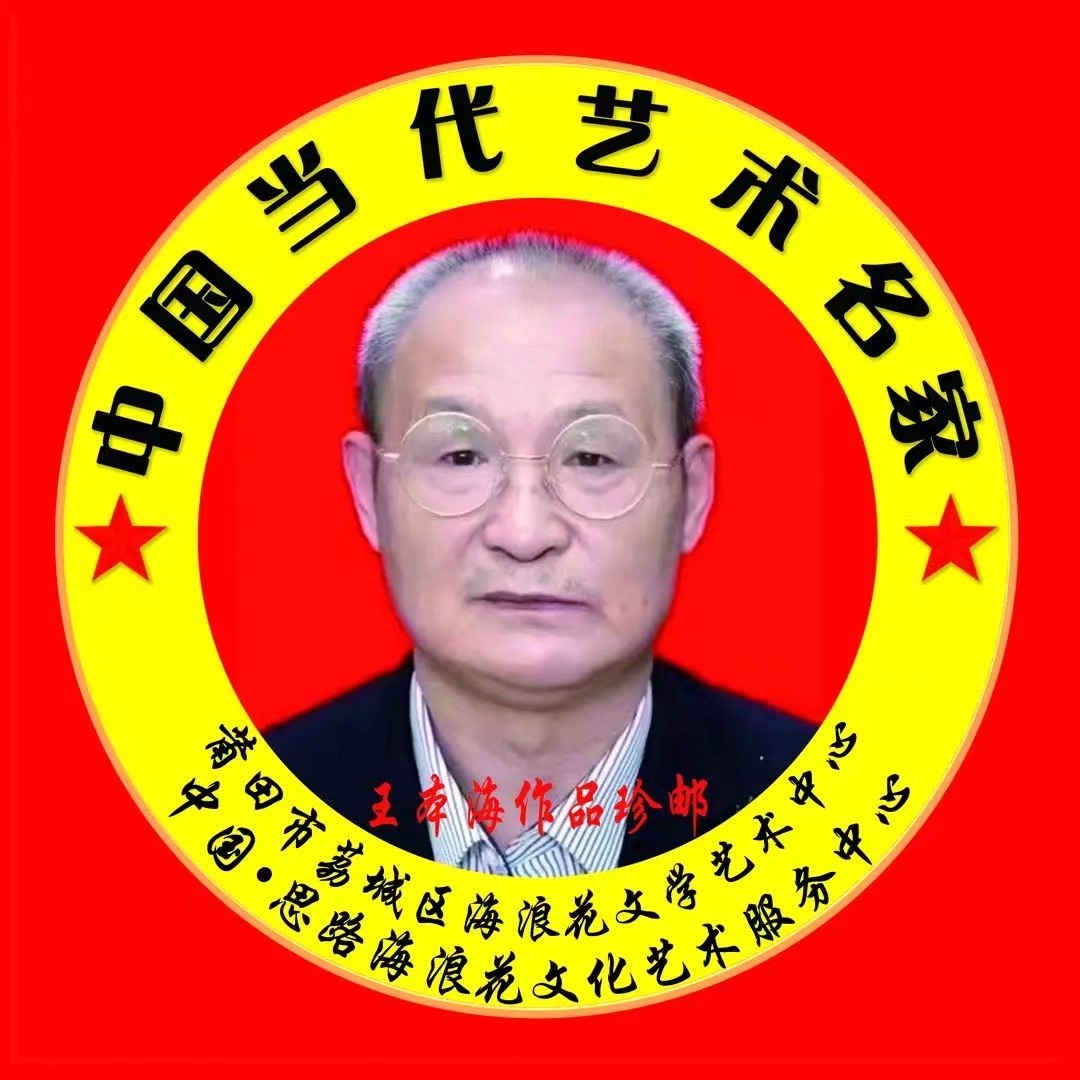
王本海人物介绍
王本海,字木心,号一合,笔名思路、河边柳、马平、云鹤寿松、星空明月等,1965年2月出生于重庆市开州区五通乡浦里河畔寨家村研盘湾,是集诗人、音乐创作人、作家、文化学者于一身的跨界文化从业者,拥有教授级高级工程师职称,长期深耕文学、音乐、文化传播与非遗传承领域,以“工科严谨+人文浪漫”的独特风格,成为新时代文化传承与创新的标杆人物。
一、基本信息
姓名:王本海
字/号:字木心,号一合
笔名:思路、河边柳、马平、云鹤寿松、星空明月
民族:汉族
出生年月:1965年2月
籍贯:重庆市开州区五通乡浦里河畔寨家村研盘湾
职业:诗人、音乐创作人、作家、文化学者
职称:教授级高级工程师
核心特质:融合工科思维与人文情怀,擅长以传统文体书写时代主题,推动文化跨界传播
二、教育与职业背景
教育经历:大学文化背景,获渭南市电工职业资格证书,兼具工科精准思维与人文创作素养,为其跨界文化实践奠定双重学术基础。
职业方向:早年涉足工程技术领域,后聚焦文化创作与传播,深耕辞赋、诗词、歌词、散文等多元文体,同时主导文化活动策划与非遗传承项目,实现从“工程图纸”到“文化篇章”的跨界转型。
三、社会职务
1. 国际作家和作曲家协会联合会会员
2. 中国音乐著作权协会会员
3. 中华诗词学会会员
4. 贵州省诗词楹联学会会员
5. 中央新影发现之旅频道《文化强国》栏目组首批特聘高级智库专家(教授级高工)
6. 全国第一批非物质文化遗产创新人才
7. 中国·思路海浪花文化艺术服务中心总策划/总编
8. 福建省莆田市荔城区海浪花文学艺术中心法人代表
四、主要成就与作品
(一)文学创作:以传统文体载时代新声
王本海在文学领域以“守正创新”为核心,尤其擅长赋体、诗词、楹联创作,独创“四维文化透视”模型(地理形胜—历史溯源—红色基因—当代图景),作品兼具古典风骨与现代气息。
1. 赋体文学:代表作《百城百赋百诗》系列,涵盖《开州赋》《重庆赋》《遵义赋》《延安赋》《井冈山赋》《中华赋》《人民日报赋》《新华社赋》《法治晨报赋》等。其中,《人民日报赋》《新华社赋》以骈俪之笔勾勒主流媒体的使命担当,《法治晨报赋》以“笔化龙泉之锷,纸成獬豸之裳”喻法治媒体锋芒,均发表于《人民日报市场网络版》城市新闻等权威平台,成为“以赋载道”的典范,评论家评论“一篇襄阳赋,半部中国史”。
2. 诗词创作:作品入选《新中国建国六十周年中华诗词诗书画精品典藏卷》,获“功勋诗人”称号;2022年在《法治晨报》发表《七律·醉美故乡》《七律·观刘伯承铜像有感》《沁园春·八一节寄怀》《贺院线电影〈微山湖小八路〉拍摄圆满成功》等;2025年创作《满江红·九三阅兵》,前瞻性书写抗战胜利80周年阅兵盛况,获专业评论界高度认可;其七律《咏人民日报》《咏新华社》凝练媒体风骨,成为传统诗词现代转化的样本。
3. 楹联与散文:2025年建党节期间,遵义市诗词楹联协会为其对联作品推出专题版面;有声作品:散文《美丽乡村五通》、《故乡的炊烟》、诗词作品《赞普阳律师事务所及陈震、陈韩钦律师》、《贺遵义市红花岗区协会成功开通中华诗词子网站》、英文版《沁园春.赞刘新星》创作背景简介、《王本海题刘伯承元帅故居楹联鉴赏》、演讲稿《榜样之光--王本海为我们照亮逐梦征程》、人物对话《在铁轨与诗行间筑造文化桥梁--跨界大师王本海的创作人生》在燕赵有约官方通过QQ音乐、酷狗音乐、酷我音乐等多平台发布,著有地方传奇故事《鲤鱼劫——血色山河中的一尾神话》。
4. 学术编著:编著《巴渝王氏160字辈诗库暨巴渝王氏世系图》,以“诗文活化族谱”的创新形式,为家族文化与非遗传承提供实践方案、《研盘湾五行镇源记--木宅开基,石寨传脉,本辈承宗》、《歌曲创作黄金法则教案--写一首让大众共情传唱的“好歌”》。
(二)音乐创作:以旋律传递文化温度
作为高产音乐创作人,王本海累计创作原创歌曲200余首,坚持“歌词为魂、旋律为翼”,作品覆盖家国情怀、地域文化、榜样精神等主题,兼具传播度与思想性。
1. 代表作品:《祖国的霞光》(激昂抒发爱国情怀,成讴歌时代经典)、《这面旗帜》《穿过月亮的旅行》(呼应同名电影,以浪漫曲风编织情感梦境)、《雄奇山水·新韵重庆》(展现地域风光)、《非遗中国》(助力非遗传播)、《岳中之歌》《红岩朝露》(校园红歌)、《缅怀刘伯承元帅》《您从黄葛古道走来》(红色主题)今歌之约 (总第一百三十三期 · 天津市音乐文学学会 主办)刊发、《研盘湾之歌》(家乡情怀)、《初心灿若霞》(聚焦公益榜样,从“帮老人擦霜”“给孩子递书”等小事切入,让榜样精神可感可学)、《思路海浪花文艺之歌》(凝聚文艺群体理想)。
2. 传播与荣誉:作品由贺筠筠等知名歌唱家演绎,入库全国KTV,登陆QQ音乐、网易云音乐等主流平台;获中国大众音乐协会“金奖”、“永远跟党走·献礼二十大”原创歌曲金奖等国家级奖项。
(三)文化传播与实践:搭建传承与创新桥梁
王本海以“文化使者”身份,推动文化落地与跨界融合,主导多项具有社会影响力的文化活动。
1. 红色文化传承:2023年春节前夕,牵头联合全国知名钢笔画家张根和、开州书法家谭周文、贺启财(野神)、田小波等,向刘伯承同志故居捐赠11幅书画作品;主导“纪念刘伯承元帅诞辰130周年诗词书画征文征集活动”,吸引全国创作者参与,收到2000余首诗词、11幅书画作品,经评审后多平台推广,推动红色文化与艺术创作深度融合。
2. 跨界实践:2023年参演电影《穿过月亮的旅行》(饰演“专注读报的乘客”),拍摄结束后深夜3点结合片场感悟创作同名歌曲,实现“影视表演—音乐创作”无缝衔接;其作品及事迹获央视、中国教育电视台、《法治晨报》《城市新闻》等主流媒体报道,2022年8月30日《法治晨报》以整版篇幅报道其诗歌创作成就。
3. 非遗与智库工作:作为全国第一批非物质文化遗产创新人才,探索非遗现代转化路径;担任《文化强国》栏目特聘高级智库专家,为文化建设提供专业建议;主导思路海浪花文化艺术服务中心工作,策划多项文化活动,推动“文艺服务大众”理念落地。
五、荣誉奖项
1. 1999-2009年度:国际中华诗歌总会“一级作家”
2. 2010年:英国皇家艺术基金会永久学术顾问
3. 2019年:中国世纪大采风“德艺双馨艺术家”
4. 2019-2024年:遵义市红花岗区“优秀文艺工作者”
5. 2022年:“永远跟党走·献礼二十大”原创歌曲金奖
6. 2022年:“《大国·大家》优选工程杰出艺术家优选人才奖”
六、艺术特色与评价
(一)艺术特色
1. 文体创新:融合骈偶句式与时空对话,独创“赋体叙事诗”,打破传统赋体“辞藻堆砌”局限,让古典文体承载现代主题。
2. 主题挖掘:深度绑定地域文化与红色基因,擅长从“小场景”写“大主题”(如以“街灯”“递书”等细节传递时代精神),避免口号式表达。
3. 跨界融合:贯通文学、音乐、影视、非遗研究,形成“新古典主义”风格,实现“工科精准架构+人文情感表达”的独特统一。
(二)外界评价
1. 《文化强国》栏目组:“以赋载道,以歌咏志,其作兼具汉赋的鸿篇气象与现代文艺的传播力。”
2. 专业评论界:“词凝日月,曲动山河”,其个人经历体现“立本为基,汇海成澜”的文化追求,作品本质是“新时代的《山河社稷图》”,以地理为载体、历史为脉络、赋体为形式,完成中华文明基因的解码与现代化转译,在当代文学中具有不可替代性。
七、参考资料
1. 《法治晨报》2022年8月30日专题报道、2025年9月3日相关作品报道
2. 《人民日报市场网络版》城市新闻2025年9月3日人物及作品报道(含《人民日报赋》《新华社赋》等)
3. 贵州省诗词楹联学会《贵州诗联》《黔诗红韵》发表记录
4. 陕西省诗词学会官方网站发表记录
5. 中央新影《文化强国》栏目组专家库名录
6. 中国音乐著作权协会会员名录
7. 中国·思路海浪花文化艺术中心公众号及莆田市海浪花文艺官网
8.遵义市红花岗区作协红城诗韵、红城联墨、巷口诗韵等公众号
9. 城市头条、网易新闻、VV音乐、今日头条及主流音乐平台作品收录与传播数据
10. 相关荣誉奖项官方公告及证书
王本海人物简历.原载《人民日报市场网络版》城市新闻2025年9月3日http://www.peoplezixun.cn/renwen/2025/0903/31242.html 王本海人物简介《人民日报市场网络版》城市新闻